
Chania
Turquoise lagoon
Balos Lagoon
A sandbar meets three shades of sea. With a rental car take the boat from Kissamos - the dirt track voids insurance.
Arrive before 11 - the car park fills fast.

The cradle of the Minoan civilisation, where three continents, five seas and a thousand-year way of life meet.
Crete (Greek Κρήτη) is the largest island of Greece and the fifth largest in the Mediterranean. It lies in the southern Aegean, about 160 km from mainland Greece, forming a world of its own - geographically, historically and culturally. Crete is considered the birthplace of Europe's first great civilisation, the Minoans, which flourished here more than 4 000 years ago.
The island is roughly 260 km long and up to 60 km wide. Down its spine run three mighty ranges - Lefka Ori (the White Mountains), Ida/Psiloritis and Dikti - separating hundreds of villages, gorges, hidden coves and endless olive groves. The climate is classic Mediterranean: long sunny summers, mild winters, and over 300 days of sun each year.
Crete isn't just a destination - it's a way of life. The pace is slower, the food richer and hospitality more sincere. Old men play tavli in the square, neighbours share tomatoes from their garden, and every dinner ends with a glass of raki and a debate about what matters most - the mountain, the sea, or you yourself.

The turquoise Aegean, the white Cyclades, the caldera of Santorini and the olive groves of Crete - the same wind that touched Odysseus touches your face today.
Quick facts about the island

Around 2700 BC the Minoan culture emerged on Crete - considered Europe's first advanced civilisation. Its crown jewel, the palace of Knossos near Heraklion, was one of the most sophisticated buildings of its time: multi-storey, with central heating, running water and vivid frescoes. Legend places King Minos here - and, deep in his labyrinth, the fearsome Minotaur.
After the Minoans came the Mycenaeans, Romans, Byzantines, Venetians (1204-1669) and Ottomans (1669-1898). Every era left its mark - Venetian harbours and mansions in Chania and Rethymno, Ottoman fountains in Heraklion, Byzantine chapels and frescoes tucked into mountain villages.
Crete only united with the Greek state in 1913. In WWII the island became the site of one of history's first major airborne operations - the Battle of Crete, 1941. Local resistance to the German occupation is legendary and still remembered in every mountain village.
Crete is one of the most biodiverse islands in the Mediterranean. Over 1,700 plant species grow here, nearly 180 of them endemic - found nowhere else on Earth. Rare kri-kri wild goats roam the peaks, vultures circle above, and some of Europe's cleanest gorges carve the island like a sculptor's chisel.
The famous Samaria Gorge stretches 16 km down to the Libyan Sea. Balos and Elafonissi stun with white sand and lagoon-blue water; Preveli's palm-fringed river feels almost Caribbean. In the east, Vai hides Europe's largest natural palm forest.


Olive oil, fresh herbs, local cheese and always a glass of raki. The traditional Cretan diet is on UNESCO's intangible heritage list.
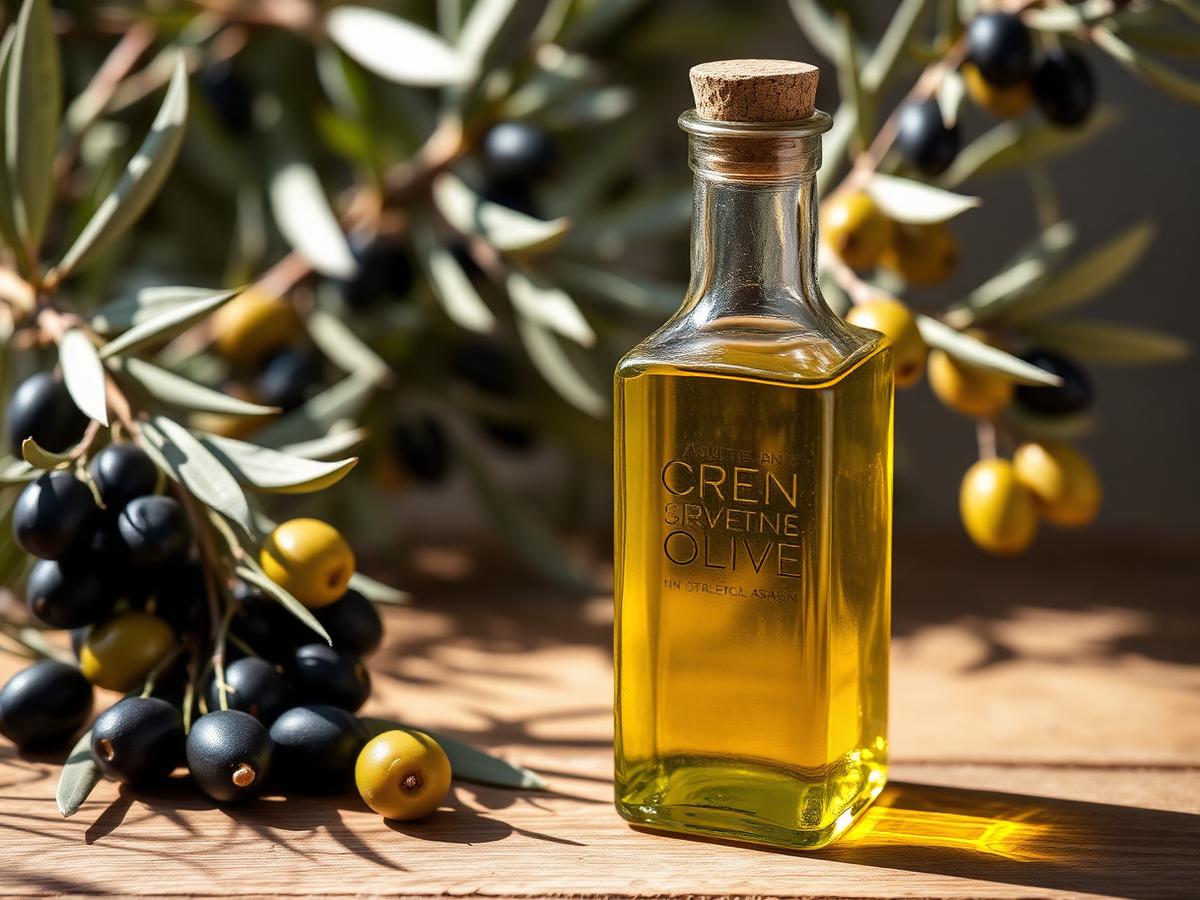
Crete is one of the world's top producers of extra-virgin olive oil. Over 30 million olive trees grow here and every village has its own press. The oil is deep green, mellow, with a peppery finish.
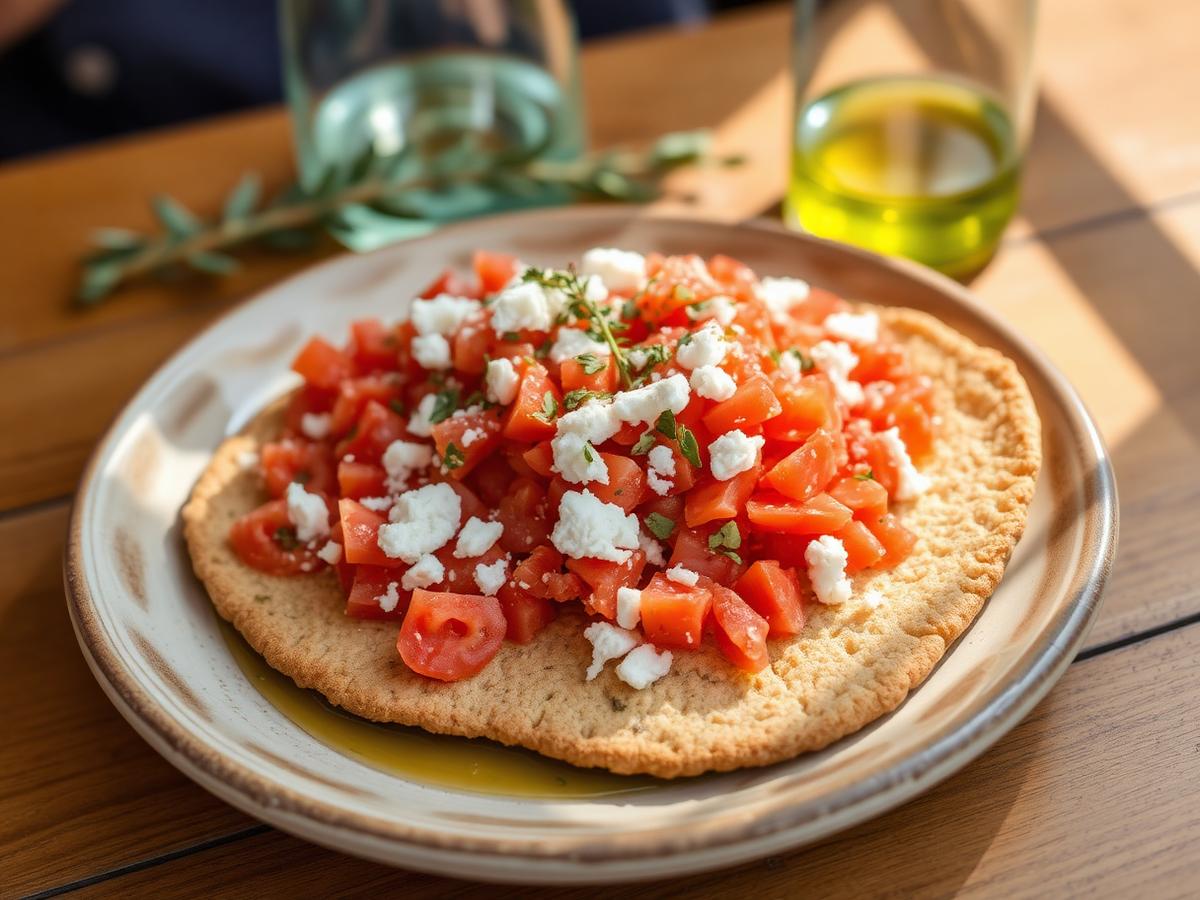
Dakos (barley rusk with tomato and mizithra), kalitsounia (cheese pies), gamopilafo (wedding rice), lamb with mountain herbs, and cheeses like graviera and mizithra - every dish tells the story of its village.
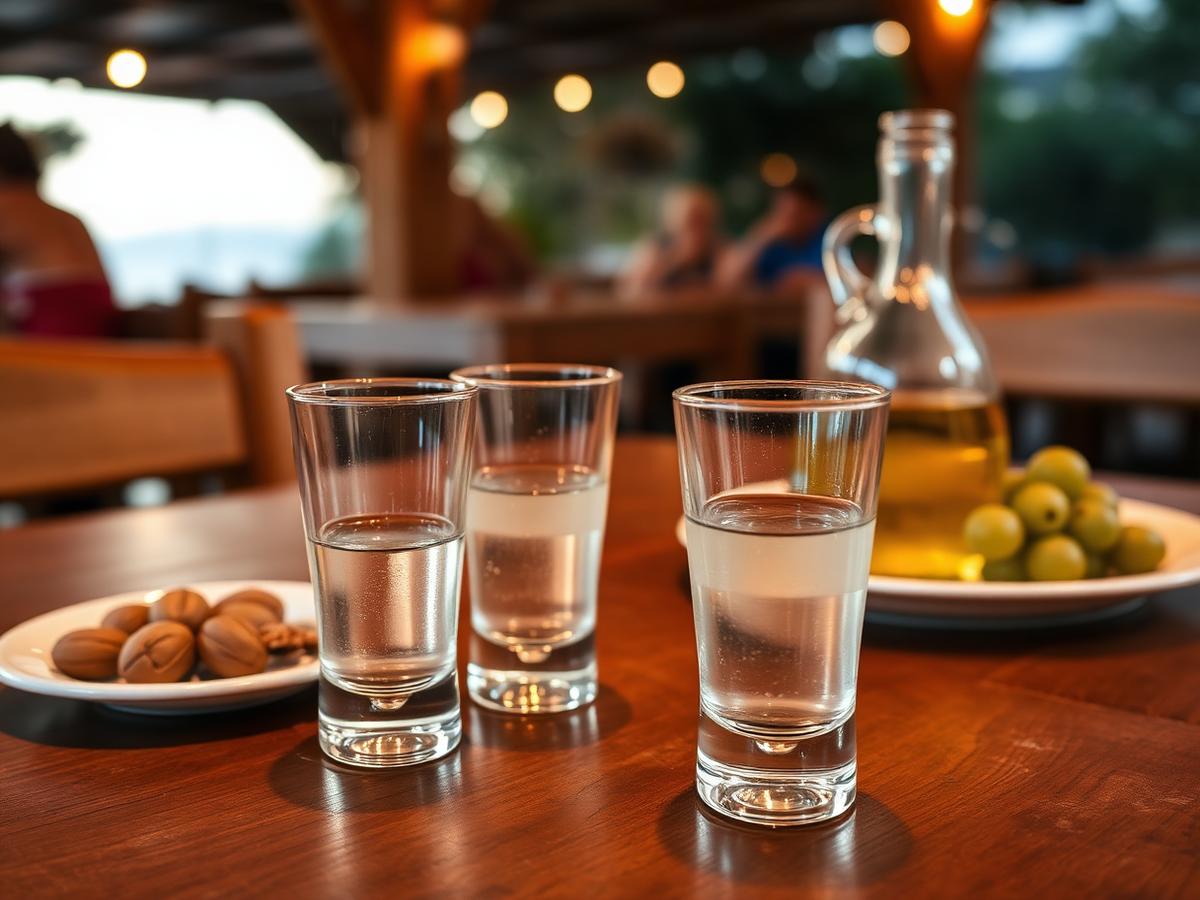
Raki (tsikoudia) is Crete's strong grape spirit, always served free at the end of a meal. They say: if you haven't shared raki with the host, you haven't really been to Crete.
Crete is historically divided into four regions - each with its own character, dialect and landscape.
Tap a region to see details

The west is crowned by the White Mountains (Lefka Ori) - snowy in winter, a hiker's paradise in summer.
The west - Venetian harbour, the White Mountains, Balos and Elafonissi. The most romantic and green part of the island.
The west is crowned by the White Mountains (Lefka Ori) - snowy in winter, a hiker's paradise in summer.
Best time: May-June and September-October - mild warmth, warm sea, lower prices. July-August is hottest and busiest. In winter Crete is quiet, green, with snow on the peaks.
Crete has three airports: Heraklion (HER), Chania (CHQ) and Sitia (JSH). To really explore the island a rental car is almost essential - distances are large and the best spots lie off public transport routes. I deliver the car straight to your hotel or the airport.
The euro is the official currency. Cash is still handy in villages, cards work well in larger places. Meals in tavernas are reasonable - €15-25 per person with wine is typical.
Greek is the official language. English is widely spoken in tourist areas, often also German and Italian. A few words of Greek (καλημέρα - good morning, ευχαριστώ - thank you) open many doors and smiles.
A logical week-long route starting from Hersonissos. Adjust the pace and stops to your interests - I'll help fine-tune it when you book.
Tip: Don't overplan day one - let travel fatigue fade and get to know your base.
Tip: Book Knossos tickets online in advance - saves an hour in queues.
Tip: The last boat back from Spinalonga usually leaves around 5 pm - plan accordingly.
Tip: Bring swimwear and strong sunscreen - this is one of the sunniest days on the route.
Tip: If day five feels long, split it in two: one night in Chania turns the trip calm and rich.
A symphony of beaches, mountains and old towns
A few Greek words earn you warm smiles - and occasionally a complimentary shot of mastiha.
Tip: Greek “ναι” (neh) means yes, not no. Don't get caught out!
From turquoise lagoons to a 4,000-year-old palace and a mountain gorge - places that stay with you for life.
A sandbar meets three shades of sea. With a rental car take the boat from Kissamos - the dirt track voids insurance.

A protected reserve in the far west: shallow warm water, pink sand and a small islet you can walk to.

Europe's oldest city - a 4,000-year-old palace linked to the myth of the Labyrinth and Minotaur.

One of Europe's longest gorges, ending at the Libyan Sea in the village of Agia Roumeli - a 5-7 h hike.

A 16th-century Venetian fortress that later became Greece's last leper colony (until 1957).
Narrow lanes, Venetian houses and a Turkish lighthouse - one of Greece's most romantic old towns.

A 16th-century citadel on a coastal hill with arguably the best sunset view on Crete.

A fertile plateau at 800 m in the Dikti mountains with the legendary Diktaion Andron cave.
Source: local experience and years of guiding on Crete.
Cretan cuisine is one of the healthiest in the world - lots of olive oil, wild herbs, legumes, fresh fish and local cheeses.
Dried barley rusk topped with grated tomato, feta or mizithra and olive oil - Crete's signature everyday dish.
Layered aubergine, potato, minced meat and béchamel - baked until golden.
Small cheese pies - either savoury with mizithra cheese or sweet with honey.
"Wedding rice" - rice slow-cooked in lamb or chicken broth with staka butter, a wedding tradition.
Pork marinated in vinegar and smoked with mountain herbs - Crete's oldest curing method.
Thin pancake filled with mizithra cheese and drizzled with thyme honey - a Sfakia classic.
Clear grape distillate offered to every guest as a welcome - the drink of Cretan hospitality.
Firm sheep's milk cheese aged at least 5 months - sweet, nutty, works in every meal.
Crispy filo pastry filled with mizithra cream or custard - the classic Chania harbour breakfast.
Tips learned from years of living on the island that save time, money and stress.
May-June and September-October: warm sea, fewer crowds, 24-29 °C. July-August is very hot (35 °C+) and beaches are packed.
Crete is big (260 km east-west) and public transport is sparse. A car takes you from the coast to a mountain village in 30 min. Book early.
Euro. Larger venues take card, but mountain villages and small tavernas need cash. ATMs charge 2-5 € per withdrawal.
Standard EU plug (Type F, 230 V). Tap water is drinkable in Heraklion and larger cities; prefer bottled water in mountain areas.
The Cretan sun is fierce - SPF 30+ is a must, wear a hat and sunglasses. Drink at least 2 L of water daily.
13-16 is siesta - shops shut. Dinner starts 20:30-22:00. Restaurants stay full until 23:00, mountain villages until midnight.
Cover shoulders and knees in churches. Most Cretans speak English, but a simple "Yiassas!" greeting opens doors.
EU roaming works free. Cosmote/Vodafone/Nova cover the coast very well, weaker inland. An eSIM is the fastest option.
Fuel ~1.80-2.00 €/L. The coastal E75 highway is good; mountain roads are narrow and winding - drive carefully.
Elafonissi, Falassarna, Stalida and Balos are ideal for kids - shallow, warm water. Restaurants are child-friendly, just ask for a high chair.
Crete is very safe. European emergency number 112. On beaches follow the flag system (green/yellow/red). Tell someone your route in the mountains.
In July-August the northerly meltemi blows (25-40 km/h). It cools things nicely but can cancel boat trips (e.g. to Balos and Gramvousa).
Pick your next step - browse the fleet, see excursions or message me directly.
Clean, insured cars from the airport - from an economical city car to a family SUV.
Browse the fleetTailored excursions with a car - mountain villages, vineyards, tavernas and hidden beaches.
See excursionsThree steps, a personal reply within 24 hours, no deposit and no hidden fees.
Start bookingAsk anything in English - WhatsApp, email or phone. I always reply personally.
Message meI'll help you put together a trip that suits you - from car rental to excursions. Message me on WhatsApp or check out the travel guide.